
Culture & Careers
The Weak EM Will Become An NPC
AI is quietly turning some engineering managers into NPCs: useful, always available, and out of the plot the moment a real decision is needed.
· 14 minutes read
Guy Coleman
Last updated: Dec 13, 2024
Written by James Garrett · 6 minutes read

Finding the right engineering job goes beyond matching your technical skillset—it’s about creating a balance between your professional ambitions and personal lifestyle. As James shares from his own experience at Empower, achieving long-term career satisfaction means pinpointing your non-negotiables, asking insightful questions during interviews, and ensuring the culture, team dynamics, and leadership style truly align with your unique values and goals.
Finding a job that aligns with your skills is important, but finding a role that aligns with your motivation** and lifestyle** is critical. As someone who loves programming as well as fishing, hiking, and unplugging from the grid, I’ve learned that a successful career isn’t just about what you do—it’s also about how, where, and with whom (and what tooling) you do it.
Before you even start the interview process, know what matters most to you.
Ask yourself:
Understanding your non-negotiables ensures you’re looking for alignment, not just opportunity. As one example, I enjoy in person interactions and would be open to partial in office— but not many options exist where I live. Because of that, Empower’s remote first policy but having 2 company “on-sites” a year to bring us together is a perfect compromise.
A well-worded question like, “Can you describe a typical workday?” can give you insight into what’s expected of employees. Follow up with:
I have learned over time that I enjoy solving problems as a collective unit. Other people loathe the idea of hopping on a Zoom when a Slack thread could suffice. Neither perspective is right or wrong, but finding alignment is key. I’m willing to give in at Empower working across time zones in the evenings in exchange for having flexibility to take a morning off.
Leaders set the tone for culture. During interviews, ask about their management philosophy:
I worked at one place where leadership used toxic traits such as measuring productivity by how many bugs per week you solved against other developers. Ultimately, there were warning signs during the interview that I chose to ignore as I became too focused on getting the offer.
Sometimes the best way to understand culture is to ask for examples:
These questions often reveal whether the company values collaboration, recognition, and mutual support.
A good cultural fit starts with honest communication. Ask:
The way your interviewer answers tells you a lot about the company’s willingness to grow and adapt. The fact here is no team is perfect, so a willingness to self reflect and get better is the goal.
If the interviewer avoids your questions or gives vague responses, that’s a red flag. For instance, during my Empower interviews, each panellist gave me their undivided attention, showing genuine interest in my perspective. This left a lasting impression on me; I felt respected and valued before I even got the offer.
When I’m on the other side of the table, I balance showcasing the company’s strengths with being honest about our challenges. Finding the right fit is more important than simply filling a role. Here’s how I approach some of these questions:
Interviewing isn’t just about proving your skills; it’s about making sure the company is a good fit for your values, lifestyle, and goals. By thoughtful questions, you ensure your next role supports both your career aspirations and the life you want to live.

👋 I’m James, a seasoned backend developer with interest in crafting solutions on the C#/dotnet stack, scalability and performance challenges are my favorite. My career in software development has been a combination of startups and Fortune 500’s with startup like cultures. Mid week you’ll find me coding away, but weekends are time for fishing, hiking, boating— anything outdoors!
In my toolbox, JetBrains Rider, macOS, The Azure Cloud platform and of course the best coding language (C#) are my preferred environment. Their intuitive interfaces and powerful features enhance my developer experience.
_While I love software development, I don’t find it particularly fun in a vacuum. The projects I’ve most enjoyed in my career are those where I get interact with a team to solve new challenges— that’s why I love it here at Empower. _
What keeps me excited to come to work everyday is the fact we have a strong team based culture. Almost daily I’ll hop on a call with fellow Engineers or Product Managers to pair up on something. Culture isn’t an accident here, it’s an investment. Twice a year we bring the team together in person to get to know one another, learn what different pods are up to and form relationships.
AI is quietly turning some engineering managers into NPCs: useful, always available, and out of the plot the moment a real decision is needed.

Tech has no shortage of meetings, but the 1:1 might be the last one where the truth still shows up.
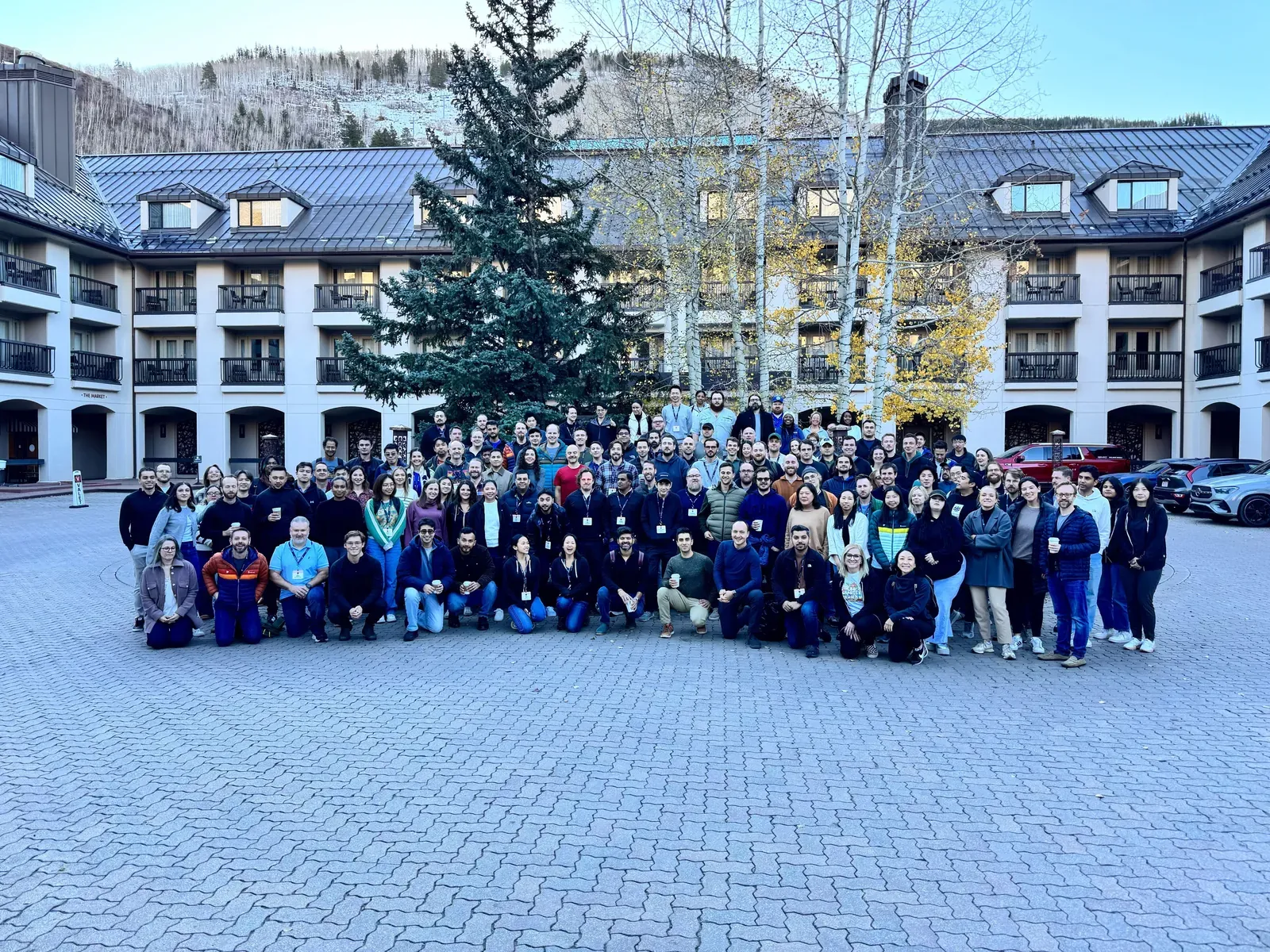
Onsites are crucial for remote teams to build strong bonds and a thriving company culture.
More in Culture & Careers