
Culture & Careers
The Weak EM Will Become An NPC
AI is quietly turning some engineering managers into NPCs: useful, always available, and out of the plot the moment a real decision is needed.
· 14 minutes read
Guy Coleman
Last updated: Dec 6, 2024
Written by Alexander Tulloh · 7 minutes read

Drawing parallels between online gaming and modern work environments, this blog explores the challenges of fostering trust and collaboration in virtual teams. Discover actionable insights to accelerate team cohesion, improve communication, and harness the unquantified power of shared experiences—even from miles apart.
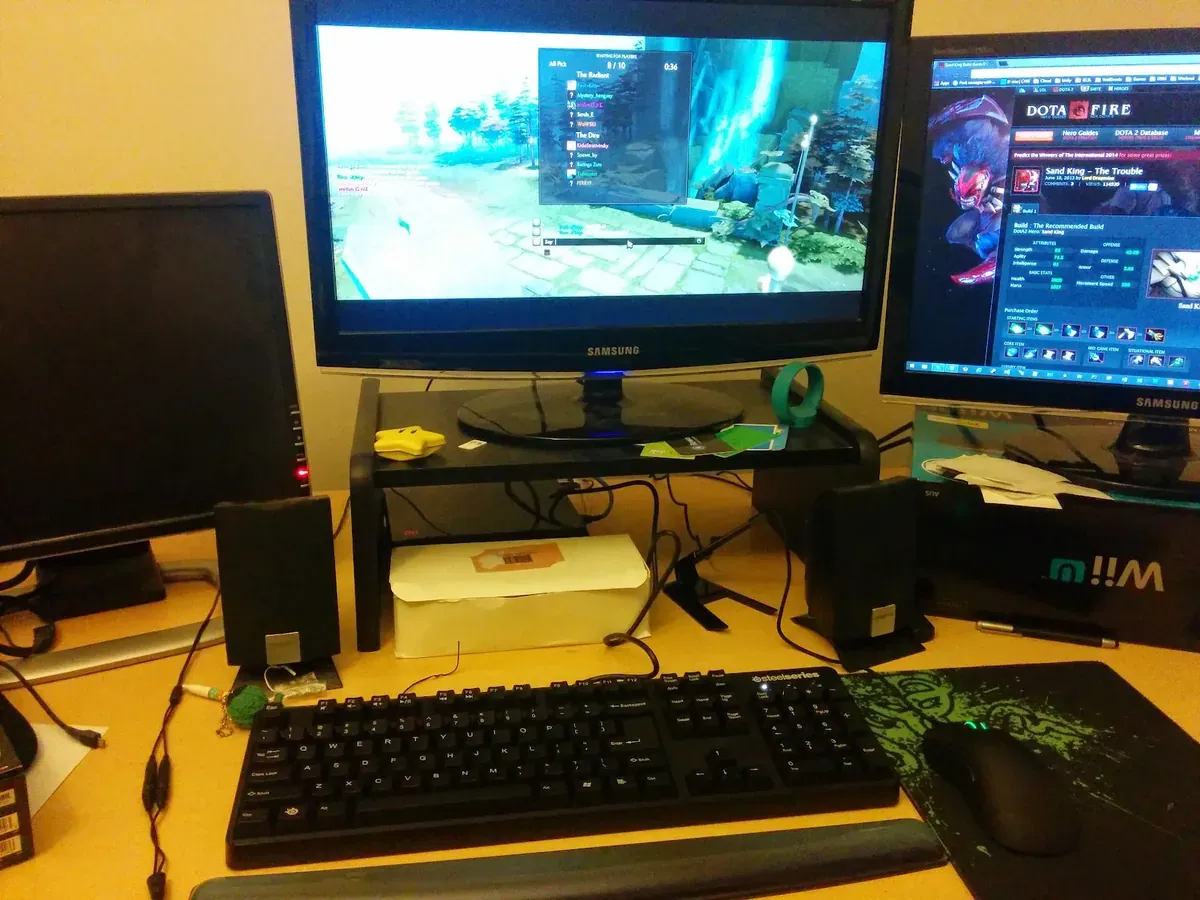
Throughout the 2010’s, I was a typical geek. In between mining Bitcoin and working at a startup, I played a lot of computer games. For one particular game, Dota 2, I racked up 2500+ hours.
Each match, you would jump into a game with a team of 5 people, all strangers, sitting in their bedrooms, trying to work together to win. Each team member would have a role, some determined by the game mechanics, and some determined by discussion or unspoken convention.
Basically a small, remote, self-organizing, cross functional team, right?
During this era, Dota 2 had a reputation for being “toxic”. I’d often see abuse, both textual and verbal, flying around; even the odd death threat. Lots of racist remarks. Interestingly, this abuse was rarely directed at the opposing team, but instead *directed between the teammates themselves. *Teams would fall apart, to the point of actively trying to sabotage each other.
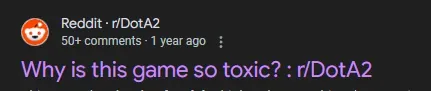
Dota 2 is an extreme example, but in some ways very similar to remote work. You are thrown into an environment *requiring *high trust without having established high trust. There is low visibility, muddy expectations, low accountability. And the biases are similar:
I’ve worked at Tilt for nearly 4 years as they’ve grown from being a single team; to two verticals (teams); to many teams. I worked on some teams for weeks; some for months; and one for years.
By far, the fastest and most stress-free delivery was achieved by the last team. While they are lovely and talented people, I think the major contributing factor was just the inherent time we spent together. I know their weaknesses, and they know mine; if reviewing a pull-request, I look for the one or two things that I know trip them up, and gloss over everything else. I can tell when they are having a bad day, and lower my expectations of their output. I can tell when they are slacking off or selling themselves short, and push them to rise to the occasion. I know their personal goals, and how to align what I/the team are doing so we can all succeed together.
No surprises there; basic teamwork stuff.
But all this took years, which kind of sucks. Time is expensive. And our team was an outlier, with our company growing and iterating rapidly, and by necessity chopping and changing teams and their compositions. With a remote workplace lending itself towards shorter lived teams, and fewer opportunities for high communication bandwidth, are there ways to accelerate these relationships with each other?
As we have we have all become accustomed to working from home, it can feel like a drag heading out the door. Where once we *escaped *the office to grab a drink with colleagues, now we actually have to *get past *the hurdles* *of putting on socks, shaving, and facing things like wind, public transport, and public smells. We gave up something precious when the Pandemic opened our eyes to remote work, and it is hard to quantify what we lost. To that end, I’m willing to take the risk and spend my time on the unmeasured benefit of meeting up, where the benefits are *potentially huge*. Any opportunities we can foster to meet in person, as well as being fun, helps us build camaraderie; a foundation of understanding and trust that will carry us through tough times and accelerate us through the good.
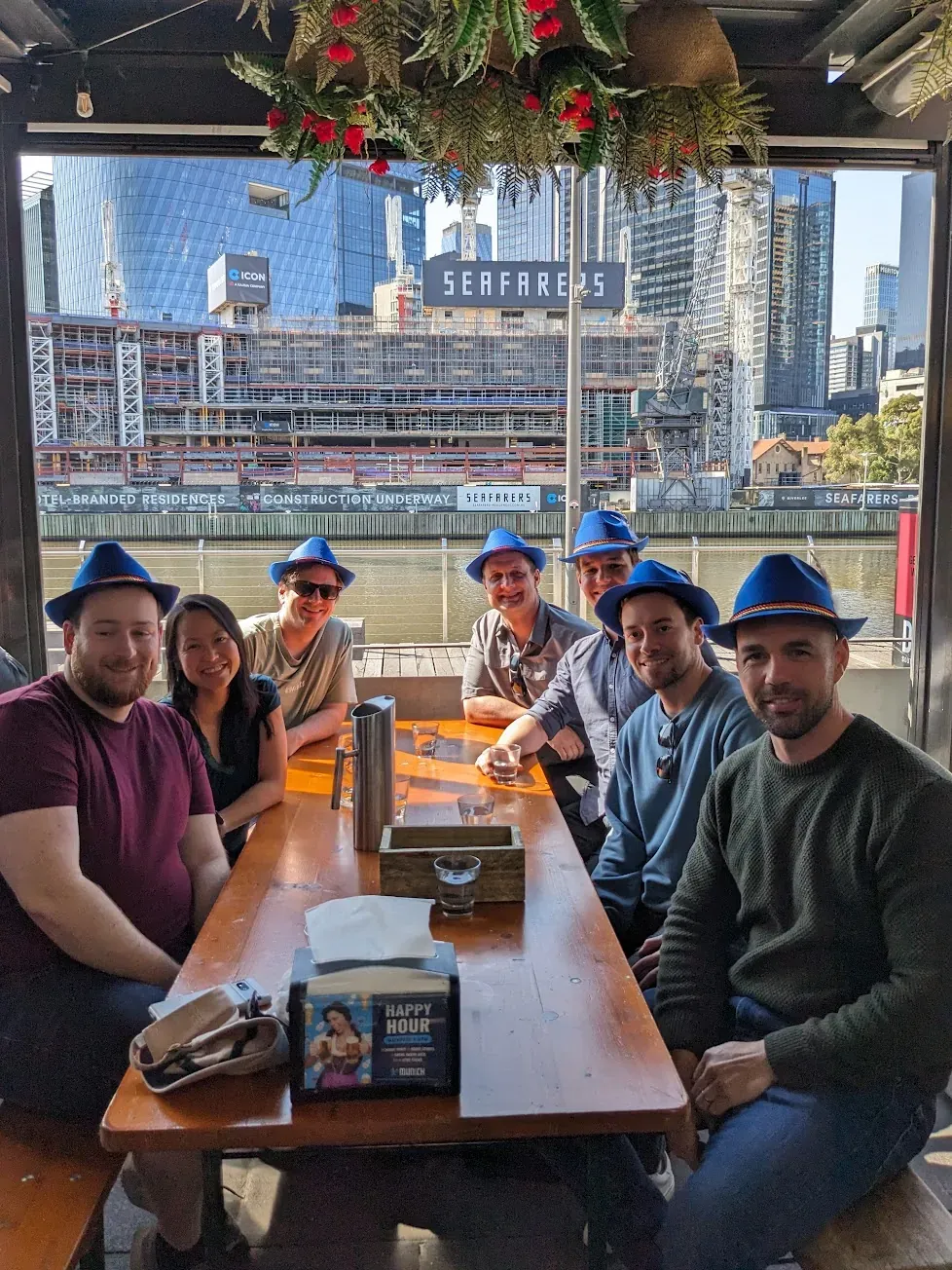
Tilt has been supportive in this respect. Our entire company comes together from across the globe one or more times a year, with smaller teams also meeting up ad-hoc, as needed. We also have local meetups regularly in the areas where employees are clustered.
We can’t always meet up with team members when we are separated by an ocean. Meeting up socially, one-on-one, in a Zoom call feel a little weird, but improves with time as it becomes more normal, and as people improve in it as a skill. Like meeting in person, it can feel contrived and inconvenient. But I again believe it has an unmeasured contribution to the social ties and trust that the company members have between each other.
At Tilt, we have a Slack plugin called Donut that helps pair us up each week to have a social check-in with someone else at the company. Our CEO leads the charge on this one, holding the yearly record for most Donut chats.

But we need to go deeper, faster, with our team mates. Don’t take for granted that a 10 minute huddle each day is enough to pull a team together. Something our team found very helpful was to have regular one-on-ones *not *just with our manager, but with each other. We dive into what we love about work, and also air our gripes. We share our goals and keep accountable; trying to align our workloads to help each other succeed together, together.

Time spent, and history together, is invaluable. We had it for so long before the Pandemic, and took it for granted. We gave it away, and lost something that we hadn’t quite quantified or measured. Remote work, like Dota, is an environment that can push us naturally in the wrong direction. In my experience, the more time we intentionally spend with people, in as many dimensions as possible, the better we work together.
I love to make things: sometimes virtual, sometimes physical. I am naïvely optimistic and believe that no topic is too sacred to joke about.
I’m currently working at Tilt on both the US and Mexico credit products with an absolutely top-notch bunch of colleagues.

AI is quietly turning some engineering managers into NPCs: useful, always available, and out of the plot the moment a real decision is needed.

Tech has no shortage of meetings, but the 1:1 might be the last one where the truth still shows up.
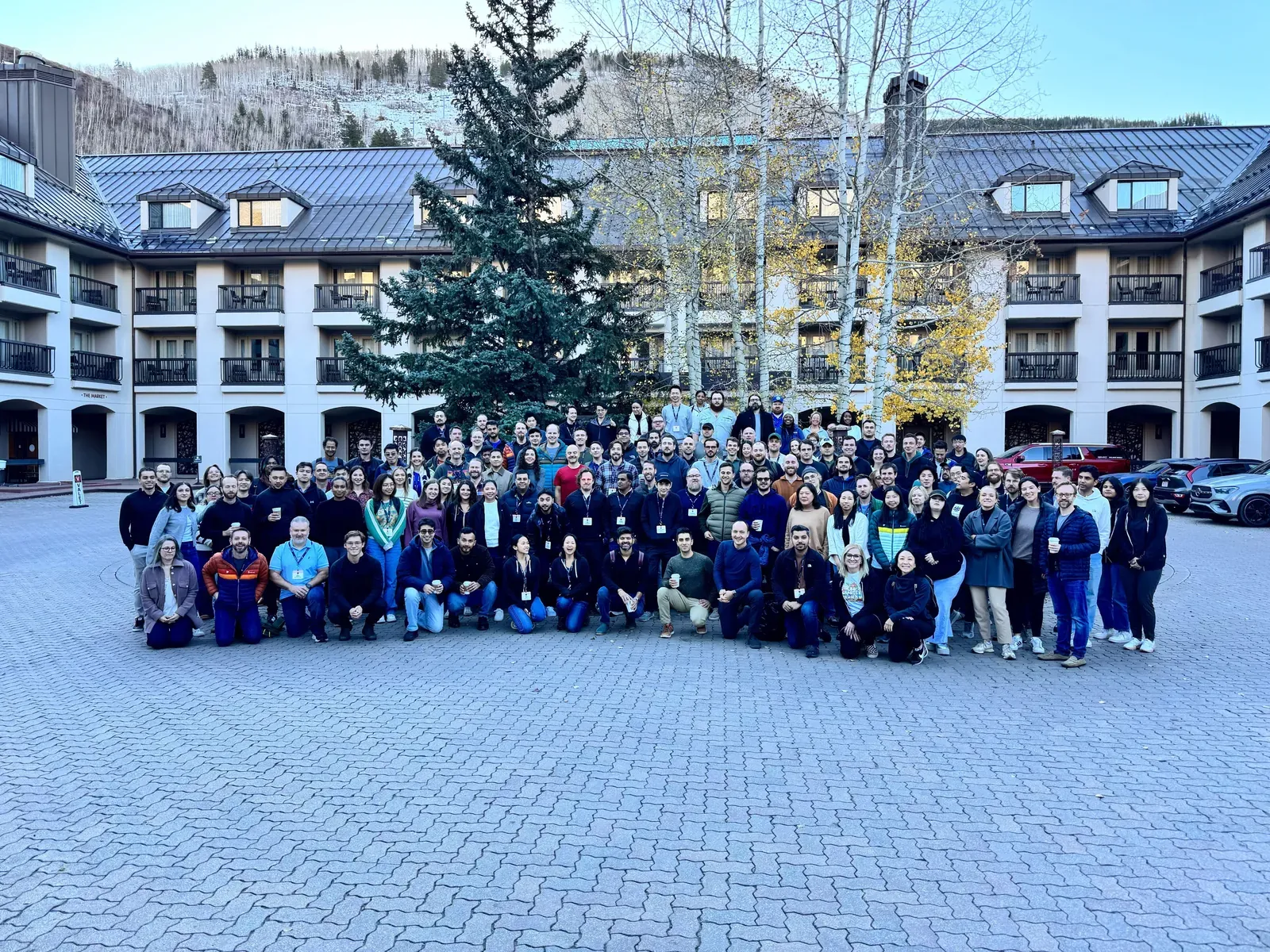
Onsites are crucial for remote teams to build strong bonds and a thriving company culture.
More in Culture & Careers