


Culture & Careers
The Weak EM Will Become An NPC
AI is quietly turning some engineering managers into NPCs: useful, always available, and out of the plot the moment a real decision is needed.
· 14 minutes read
Guy Coleman

A 1:1 is more than just a routine meeting—it’s your opportunity to engage in meaningful conversations with your manager, drive your professional growth, and address key challenges. By preparing an agenda, maintaining a regular cadence, and focusing on deeper discussions beyond status updates, you can transform your 1:1s into a powerful tool for success. Remember, this is your time to align with your manager, seek feedback, and explore new opportunities. Take charge and make each 1:1 impactful!
So, what exactly is a 1:1? You might assume the name “1:1” explains itself, but truly understanding its purpose can be the difference between being productive or missing opportunities. This article aims to help you make your 1:1s more effective, whether you’re new to the workforce and figuring out this recurring meeting that just popped up on your calendar, or you’re working with a new manager and want to revisit the basics.
At its core, a 1:1 is a meeting between a manager and their direct report. It’s a dedicated time for you to step away from your daily tasks and have an open, honest conversation with your manager.
One of the most important aspects of a 1:1 is that no one else is present. This creates an environment where trust can be built. Trust doesn’t happen overnight, but by having regular 1:1s, you’ll build that relationship with your manager.
Regular meetings provide you with valuable feedback about both your personal and professional growth.
No one is involved in every decision at a company, and at times it may be difficult to figure out how a specific decision relates to you or your work. In your 1:1, you can raise these concerns and gain a better understanding of how your work fits into the bigger picture.
Once trust is established, your 1:1 should become a safe space where you can discuss delicate issues.
Sometimes we have “lightbulb moments” while working on something and realize there’s an untapped opportunity to add value to the business. Your 1:1 is the perfect platform to discuss and get the wheels rolling on these ideas.
Because of the regular cadence of these meetings, you’ll receive prompt feedback and actionable items to move your career forward.
One of the most important reasons companies encourage 1:1s is to resolve issues before they become bigger problems. If something is bothering you, feel free to bring it up with your manager, so they can help you understand or resolve it.
1:1s are also an excellent opportunity to provide updates on any initiatives you’re working on. It’s a dedicated space to share your progress, challenges, and successes in a more focused setting than larger team meetings. By regularly discussing your projects, you can ensure your manager is aligned with your direction and provide critical visibility into your contributions.
Additionally, 1:1s are the perfect platform for receiving candid, constructive feedback. Your manager can offer valuable insights into how your work is perceived across the organization, suggest areas for improvement, or highlight strengths you may not have recognized. This feedback loop is essential for your professional development and for aligning your efforts with the company’s goals.
Since 1:1s are intended to create a space for discussing any topic relevant to you and your manager—whether it’s resolving challenges, exploring career progression, or receiving direct feedback—they help ensure both you and the company remain aligned, engaged, and on track for long-term success.
It’s your 1:1, not your manager’s! While status updates are a valuable part of the conversation, it’s easy to fall into the trap of letting the entire meeting become focused solely on progress reports. Though it might feel comfortable to use the time this way, the primary purpose of a 1:1 is to cover broader topics that support your growth, challenges, and development.
Here are a few ways to make your 1:1 more effective:
One of the most important things you can do for your 1:1 is to prepare. Coming to the meeting with a clear agenda and topics for discussion shows that you value the time you have with your manager. It’s not just about being organized—it’s a sign of respect for their time and effort. Failing to prepare sends the opposite message: that you don’t prioritize or appreciate the opportunity to engage meaningfully in these meetings.
A clear way to show your manager that you’re engaged and eager to have an impactful conversation is to arrive prepared. Know what you’d like to discuss, whether it’s project updates, career goals, feedback, or challenges you’re facing. By preparing, you set the tone for a productive session and demonstrate that you take the meeting seriously.
Whenever possible, send your agenda to your manager ahead of time. This not only allows them to prepare but also gives them the chance to gather information or answers to your questions before the meeting. This level of preparation from both sides ensures that the conversation is more focused, efficient, and valuable. Your 1:1s will become more strategic and productive, reinforcing their purpose and importance.
Having regular 1:1s establishes a consistent rhythm, allowing both you and your manager to build a stronger rapport and ensure continuous communication. When 1:1s occur at a steady cadence, it creates predictability, making it easier to prepare and track progress on key topics over time. This regularity provides a structured time to discuss ongoing projects, raise any concerns, and share feedback that might not surface in larger meetings.
A consistent schedule also allows your manager to better manage their time, ensuring that they are fully present and attentive during the meeting. It’s essential that your manager can “clear their desk” for these sessions, meaning they aren’t distracted by other tasks or responsibilities. This helps foster more meaningful conversations, giving you their undivided attention to focus on your priorities.
If you need to reschedule, it’s important to provide as much notice as possible. This not only shows respect for your manager’s time but also ensures that the 1:1 remains a priority on both sides. Consistency in holding these meetings helps reinforce their importance and ensures that you can address any critical updates or feedback in a timely manner.
We all have periods during the day when we’re naturally more focused and productive, often referred to as “peak performance times.” These are moments when we prefer to tackle deep, focused work without interruptions. Scheduling a 1:1 during these peak times may lead to frustration, as you might feel distracted or resentful about pausing important tasks for the meeting.
To make your 1:1 more effective, aim to schedule it during a time when you’re able to engage fully without feeling rushed or anxious about other responsibilities. You want to be present, thoughtful, and attentive during the discussion, and scheduling the meeting during a time when your mental energy is more flexible helps achieve that. This also signals to your manager that you’re prioritizing the meeting while being mindful of your own workflow.
If possible, try to agree on a time with your manager that works well for both of you—preferably when neither of you is likely to be in the middle of high-priority tasks. By choosing the right time, you can make the most of your 1:1, ensuring you bring your full attention and focus to the conversation.
A key part of every 1:1 is to capture what was discussed and for you and your manager to share notes. Ideally, these notes should be stored in the same place for easy reference. This helps you keep track of discussions and agreements and provides a space for career-related conversations. With a myriad of performance tools out there, you may find your company already subscribes to one of these that allow you to track your 1:1s.
It’s important to capture action items for your next 1:1. This will help define expectations for both you and your manager before the next meeting.
Sometimes, you might reach a point where it feels like you’re no longer getting value from your 1:1s. This could be a sign that you’re not being fully challenged in your role or that you’ve outgrown the current scope of your responsibilities. In these cases, it might be time to have a conversation about seeking new challenges, expanding your role, or setting more ambitious goals.
One reason your 1:1s might start to feel ineffective is that the talking points have become repetitive or irrelevant. If your manager is heavily involved in the day-to-day operations, they may already have a good understanding of what you’re working on, which can make it difficult to bring new discussion topics to the table. This can result in a lack of meaningful conversation, as both you and your manager feel like there’s little new to cover.
When this happens, it’s important to recognize the need to refresh the purpose and content of your 1:1s. Instead of focusing on surface-level updates, try to dive deeper into more strategic discussions—such as long-term career development, professional growth opportunities, or ways to tackle broader organizational challenges. If you feel that your current work is no longer stretching your abilities, bring that up. Use the 1:1 as an opportunity to align on new challenges, explore new projects, or even take on leadership roles in key initiatives.
By reinvigorating the topics you discuss in your 1:1s, you can transform them from routine check-ins into valuable sessions that support your long-term career growth and ensure that both you and your manager stay engaged and aligned.
In most cases, coming prepared with an agenda is essential for keeping your 1:1 focused and productive. Without an agenda, it’s easy for the meeting to devolve into a generic progress update, which misses the real opportunity these conversations offer. An agenda helps you structure the meeting, ensuring that you cover key topics—whether that’s career development, challenges you’re facing, feedback you need, or new opportunities to explore. It also allows you to prioritize what’s most important and ensures that nothing falls through the cracks.
If you haven’t noticed yet, let me emphasize: This is your 1:1, not your manager’s. While your manager may guide the conversation or offer input, the real value comes when you take ownership of the meeting. Use it as a platform to drive the conversations that matter most to you. Whether it’s discussing your growth, seeking advice on new initiatives, or addressing challenges, this time is meant to focus on your needs and aspirations.
You have a lot to gain by ensuring your 1:1s are effective. When you proactively steer these meetings, you signal to your manager that you’re engaged, motivated, and serious about your growth and contributions. It’s also an opportunity to strengthen your relationship with your manager by offering insights into your work, challenges, and ambitions. By doing so, you enable your manager to better understand how they can support you—whether through resources, advice, or opportunities that align with your goals.
Ultimately, a 1:1 is your chance to assist your manager in helping you succeed. It’s a time to align on how they can provide the support and guidance you need to thrive, both in your current role and in your long-term career path.
This is your 1:1—make it yours!

Dirko is a software engineer from New Zealand. He started his career architecting property related products for South Africa’s largest property portal, before relocating to New Zealand. He has experience in a wide variety of programming languages, and platforms ranging from mobile to cloud software. Currently, he helps build software at https://empower.me to enable fair access to credit for the American consumers.
AI is quietly turning some engineering managers into NPCs: useful, always available, and out of the plot the moment a real decision is needed.

Tech has no shortage of meetings, but the 1:1 might be the last one where the truth still shows up.
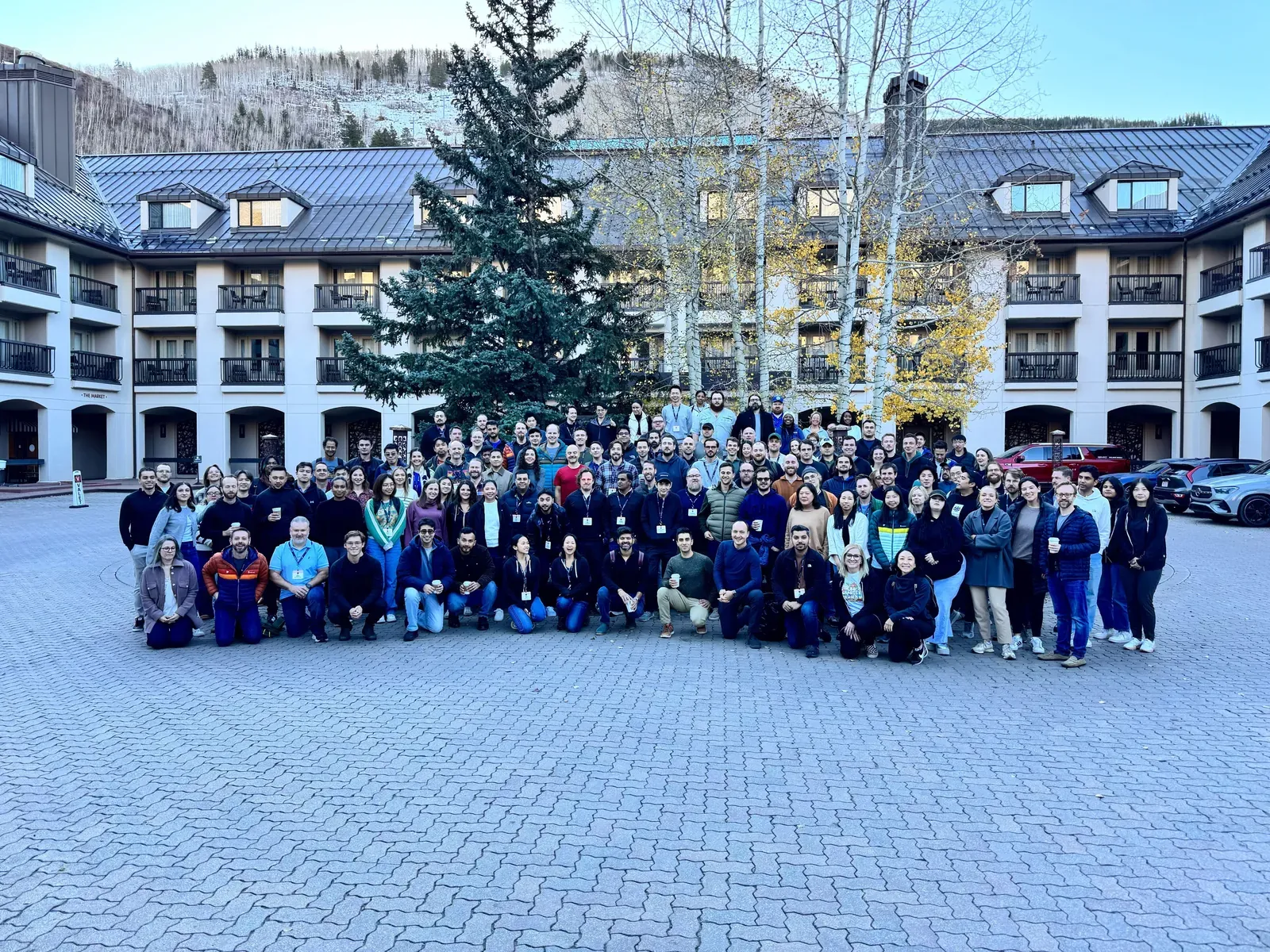
Onsites are crucial for remote teams to build strong bonds and a thriving company culture.
More in Culture & Careers