

Culture & Careers
The Weak EM Will Become An NPC
AI is quietly turning some engineering managers into NPCs: useful, always available, and out of the plot the moment a real decision is needed.
· 14 minutes read
Guy Coleman
Last updated: Nov 15, 2024
Written by Guy Coleman · 9 minutes read

Transitioning from Senior Engineer to Staff Engineer is a defining moment in your career—one that demands more than just technical expertise. At this level, your ability to influence, strategize, and lead initiatives takes centre stage. But how do you stand out and pave your way to the next milestone? In this post, we’ll explore three game-changing strategies to elevate your impact, showcase your achievements, and take control of your career trajectory. Whether you’re eyeing a Staff Engineer role or aiming even higher, these actionable insights will help you unlock your full potential and accelerate your growth.
Transitioning from Senior Engineer to Staff Engineer is a significant milestone that demands more than just technical expertise. At this level, technical skills are expected and no longer serve as a differentiator. Simply doing good work is not enough to secure a promotion. Instead, strategic career management, proactive self-advocacy, and effective collaboration become crucial. In this article I want to highlight 3 key areas that can help you find success in the progress from a strong senior contributor to a Staff Engineer and beyond.
Consider an engineer named Jeff, Jeff consistently delivers high-quality code and meets all assigned deadlines. However, Jeff focuses solely on individual tasks and assignments and avoids considering the broader context or collaborating with other teams.
Jeff - “It’s the product owner’s job to make sure I’m working on the right thing, I assume she’s done proper analysis. I’m here to execute, not to analyse and herd a bunch stakeholders.”
When a critical project encounters delays due to inter-team dependencies, Jeff continues to work in isolation, missing opportunities to address the root causes affecting the organization. Despite technical excellence, Jeff’s lack of ownership and broader impact results in him being overlooked for promotion to Staff Engineer
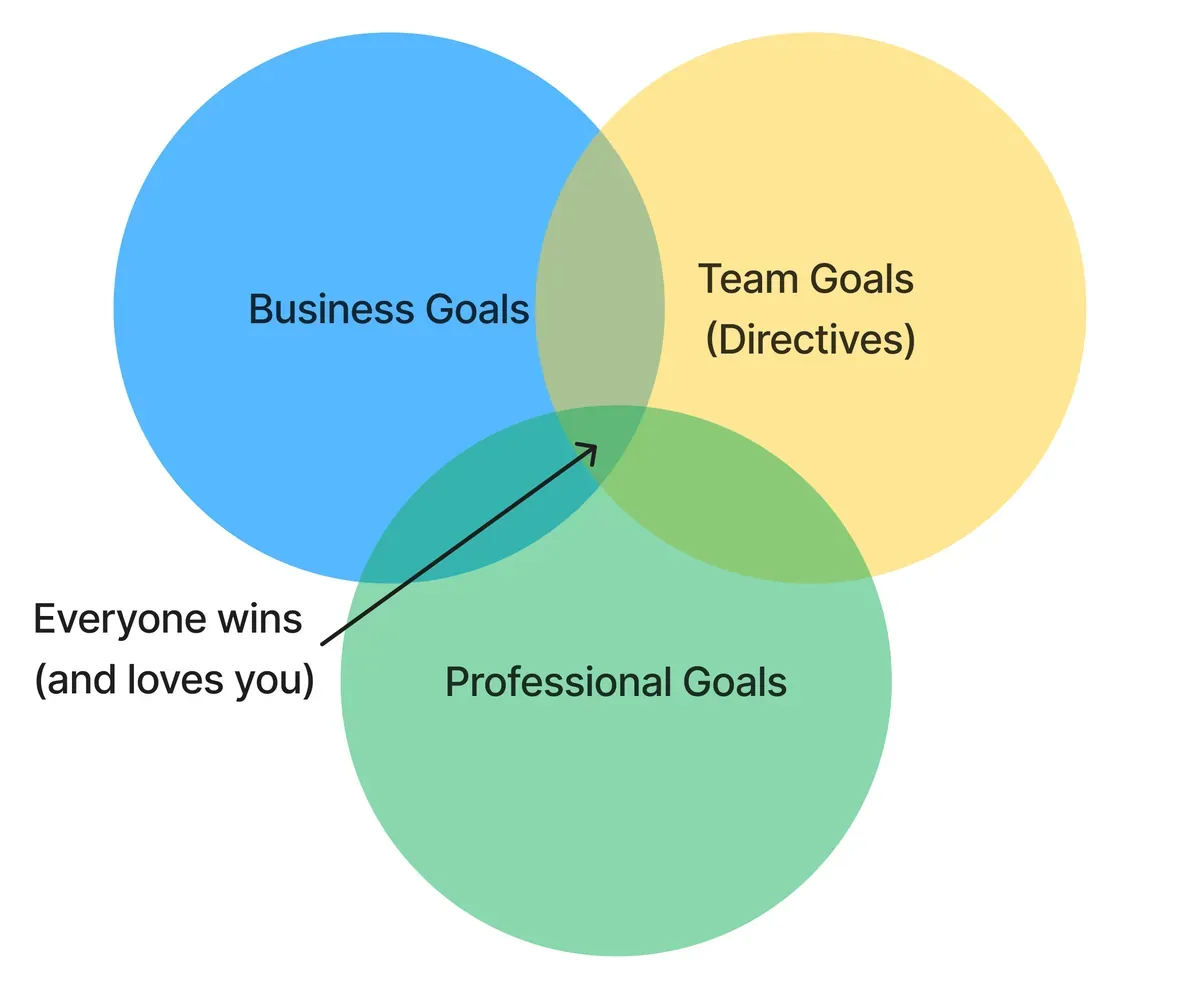
By taking ownership and driving initiatives that have a broad impact, you position yourself as a leader who adds significant value to the organization.
How broad and impactful do these initiatives need to be to be considered as such?
Point is, your impact craters don’t have to be visible from space, but their shockwaves sure as sh*t should be felt by many.
As a Staff Engineer, your influence should extend beyond individual tasks, aim to influence more broadly, drive meaningful initiatives aligned with organizational goals. This involves:
Meet Kylie, a Senior Engineer who diligently works on various projects, constantly available to help out when needed, often relied upon to get things done well, but struggles to recall specific achievements during performance reviews, her peers and manager struggle to pull on specific threads of her successes and this effort takes a lot of energy and many of her valuable contributions are overlooked, or their impact dulled over time.
Kylie - _”Why do I need to keep a “brag doc”. My performance should speak for itself and the impact of my contributions should be seen and remembered by my manager and peers.” _
Without a detailed record, Kylie finds it challenging to demonstrate the full extent of her contributions, leading to average evaluations and frustration at being overlooked.
A brag document is your professional highlight reel—a dynamic record of your achievements, projects, and the impact you’ve made. Regularly updating this document serves multiple purposes:
Some engineers view their promotion packet as the culmination of reaching a Staff-plus role. However, many have found success by starting to write their promotion packet long before they believe they’re ready for promotion, much like they would use a brag document.
Consider Amara, a Senior Engineer who consistently delivers high-quality work but has not actively communicated her career aspirations. She assumes her manager is aware of her goals and will advocate for her promotion. During performance reviews and one-on-ones, Amara provides general overviews of her projects without detailing her specific contributions and her own impact or aligning them with the company’s strategic objectives. Nor does she set professional goals for herself, seek sponsors and mentors to help her to improve her self-advocacy.
Amara- “I don’t like talking about myself and what I’ve done, this is a team effort, besides, my contributions are no more important than those of my peers.”
There is a difference between self advocacy and all out bragging. This is a skill that needs to be developed as it doesn’t come naturally to most. This needs to be exercised, feedback needs to be sought from mentors and sponsors on your approach and absorbed and a balance needs to be struck. But if you are good at this piece of the puzzle, a large part of the battle is won.
As an Engineering Manager, I can tell you with absolute certainty, I will support you and fight for your well-deserved promotion, offer feedback and give you all the time in the world if you are driving your story, but I am not your mom, dad or emotional support penguin, I won’t be doing your homework for you, my role is not to follow you around taking notes of your accomplishments.
Make it easy for me to fight for you. Here’s how you can do that:
While technical skills are essential, strategic career management and self-advocacy are equally crucial in reaching this milestone.
Key Takeaways
I’m an Engineering Manager at Empower. With over 15 years in the Microsoft technical ecosystem, I specialize in building and leading high-performing, cross-functional teams that deliver, are having organisational impact and drive meaningful outcomes for the business and users.
Prior to Empower, I served as the Technical Director at Haefele Software, where I played a key role in scaling the team to over 50 professionals, gaining deep insight into the challenges of balancing client needs with product development and operational growth.

I’m passionate about fostering talent, mentoring engineers, and empowering teams to deliver solutions that resonate with customers, have high value impact on the organisation. Helping technical professionals reach their potential and watching products evolve in ways that truly benefit users is what drives me.
AI is quietly turning some engineering managers into NPCs: useful, always available, and out of the plot the moment a real decision is needed.

Tech has no shortage of meetings, but the 1:1 might be the last one where the truth still shows up.
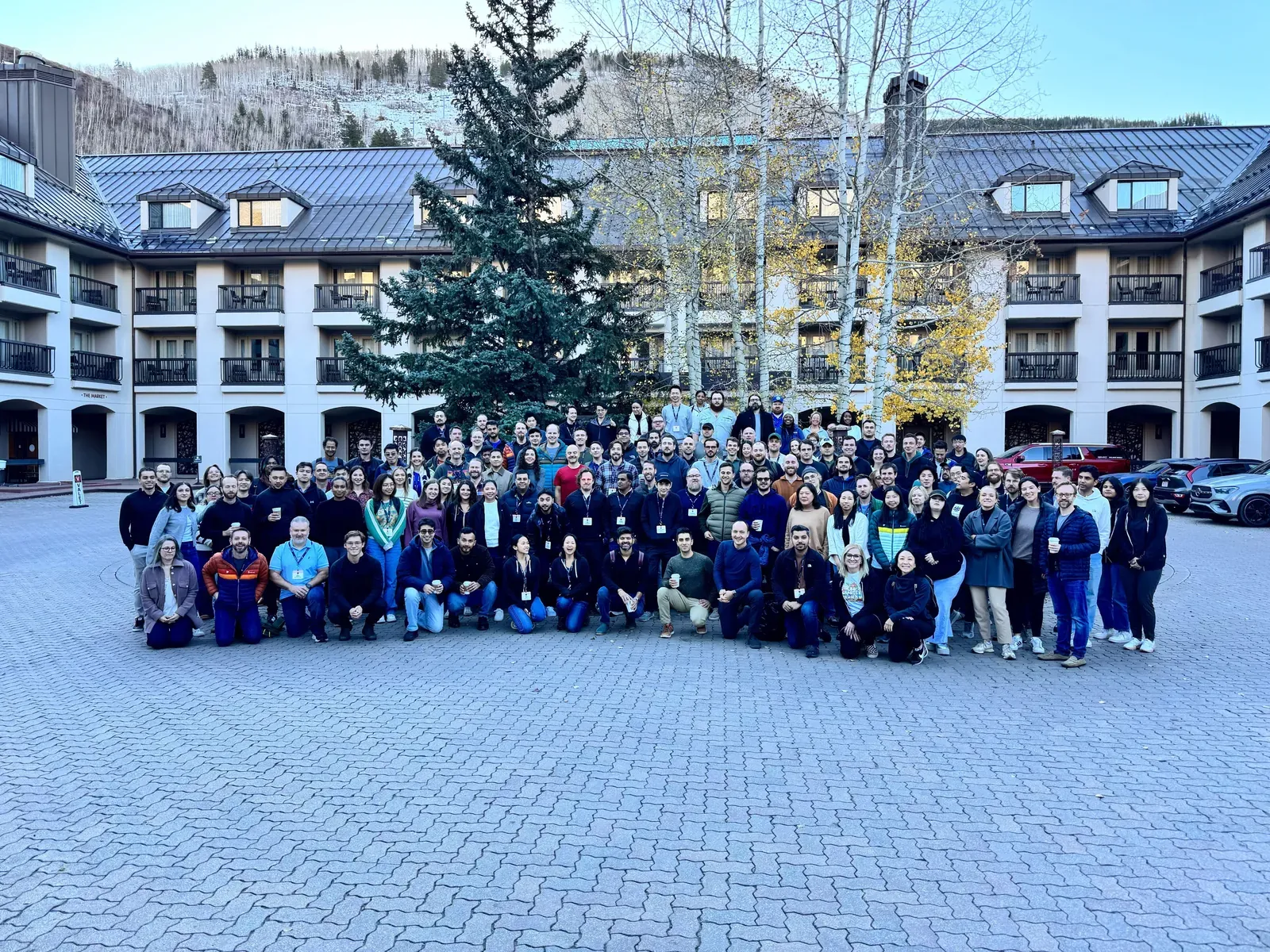
Onsites are crucial for remote teams to build strong bonds and a thriving company culture.
More in Culture & Careers