

Culture & Careers
The Weak EM Will Become An NPC
AI is quietly turning some engineering managers into NPCs: useful, always available, and out of the plot the moment a real decision is needed.
· 14 minutes read
Guy Coleman

Tech has no shortage of meetings, but the 1:1 might be the last one where the truth still shows up. This piece is about protecting that space from sliding into performance theatre, noticing the subtle signs when trust is eroding, and creating enough room for the real stuff: fatigue, pride, hard conversations, and the context that makes great work possible. The 1:1 is the smallest unit of culture you still control. Treat it carefully, protect it, and it will quietly pay back in trust, and the kind of momentum you can’t roadmap.
Some weeks I think the 1:1 is the last honest meeting left in tech. As managers, If we’re not careful, everything else tends to evolve toward performance theatre. Not in your team, of course. Yours are flawless.
The 1:1 still has a pulse. It’s the one space where people can truly feel comfortable and say what they mean. If you’re lucky, truth leaks out about the product, the process, or how burned out someone feels after the third “quick” scope change forced yet another rewrite in as many weeks.
And sometimes it’s lighter. A small win. A demo that finally worked. A bit of positive feedback said out loud. People don’t just bring problems to 1:1s, they bring hope, pride, and that quiet sense of “we might actually pull this off.”
If there’s a message here, it isn’t “try my approach.” It’s probably this. The 1:1 is the smallest unit of culture you still control. Treat it carefully, protect it, and it will quietly pay back in trust, and the kind of momentum you can’t roadmap.
When a 1:1 is healthy and working, it’s often not pretty. There’s awkward silence, half-finished thoughts, and that sigh before someone decides to say what they actually think. You learn that their recent reticence in meetings is actually an expression of concern for a peer or distraction from a health scare at home. You learn more about your team in those pauses than in any dashboard.
I’ve had 1:1s where work never came up. Thirty minutes about a sick parent, a toxic cross-team chat, or the quiet exhaustion of being the one who always holds everything together. And the next day that same engineer ships something brilliant. From the outside, this can look like therapy, its not, it’s the messy business of creating true human connection. Especially in remote teams, we rarely get the casual ‘life venting’ moments that happen naturally in an office, so the 1:1 becomes the place where context finally has air to breathe. Context fuels trust, and trust fuels velocity.
The bad 1:1s are usually on us as managers. We’re late, distracted, treating it like another recurring calendar slot. We talk too much. They go quiet. After a few of those, they stop bringing anything real. Congratulations, you’ve turned a 1:1 into a status meeting with feelings. Dirko Swanepoel wrote a great article on how your directs can help get more out of these meetings too, including practical steps they can take.
The good ones die easily too. Cancel a few, show up late, and they dissolve. You won’t notice at first. But the tone in Slack shifts. PR comments get sharper. Little things, but the signs are there.
When they’re healthy, you can feel it. People show up with a spark: a new idea, a risky suggestion, a meme and a confession in the same breath. You leave with that rare manager feeling: cool, we’re going to be alright.
A few months ago, I was chatting with one of our Engineering Directors at Tilt, Matthew Boggan. He introduced the idea of a 15-5, a short async update that moves the status chatter out of the 1:1. I’m not going to sell you on it. Plenty of smarter people have written about it. But it completely changed the tone of my 1:1s, when people remember to do them.
Suddenly the meeting had room to breathe. It stopped being a recap and became a conversation about tradeoffs, growth, direction, and fatigue. The things that actually decide whether someone stays or quietly starts browsing job boards. Sometimes it even gets fun. You catch someone mid-curiosity again. You hear them talk about a problem like it’s a puzzle, not a punishment.
It’s strange how something so small can shift the relationship. The gap between “How’s that PR going?” and “How are you doing?” is about thirty minutes of cleared space and a little intention.
These days I think of 1:1s less as management and more as a way of holding back entropy. It’s the ritual that resists the drift between people, teams, intent, and reality.

Senior Engineering Manager at Tilt, leading Platform & Infrastructure across reliability, security, developer experience, and cost efficiency. I am responsible for and head teams that ship boringly stable systems, reduce on-call pain, and scale regulated fintech platforms on Azure.
AI is quietly turning some engineering managers into NPCs: useful, always available, and out of the plot the moment a real decision is needed.
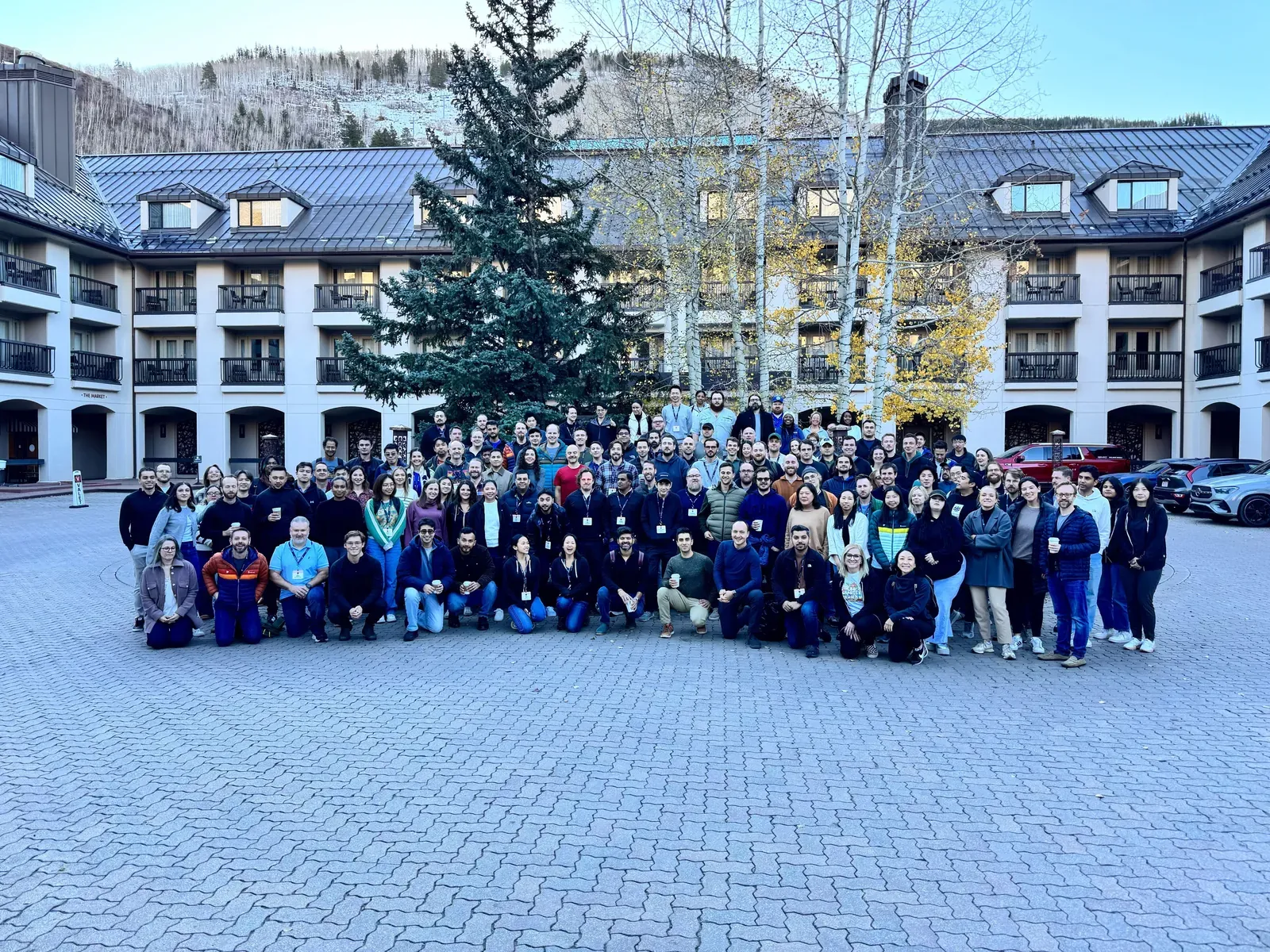
Onsites are crucial for remote teams to build strong bonds and a thriving company culture.
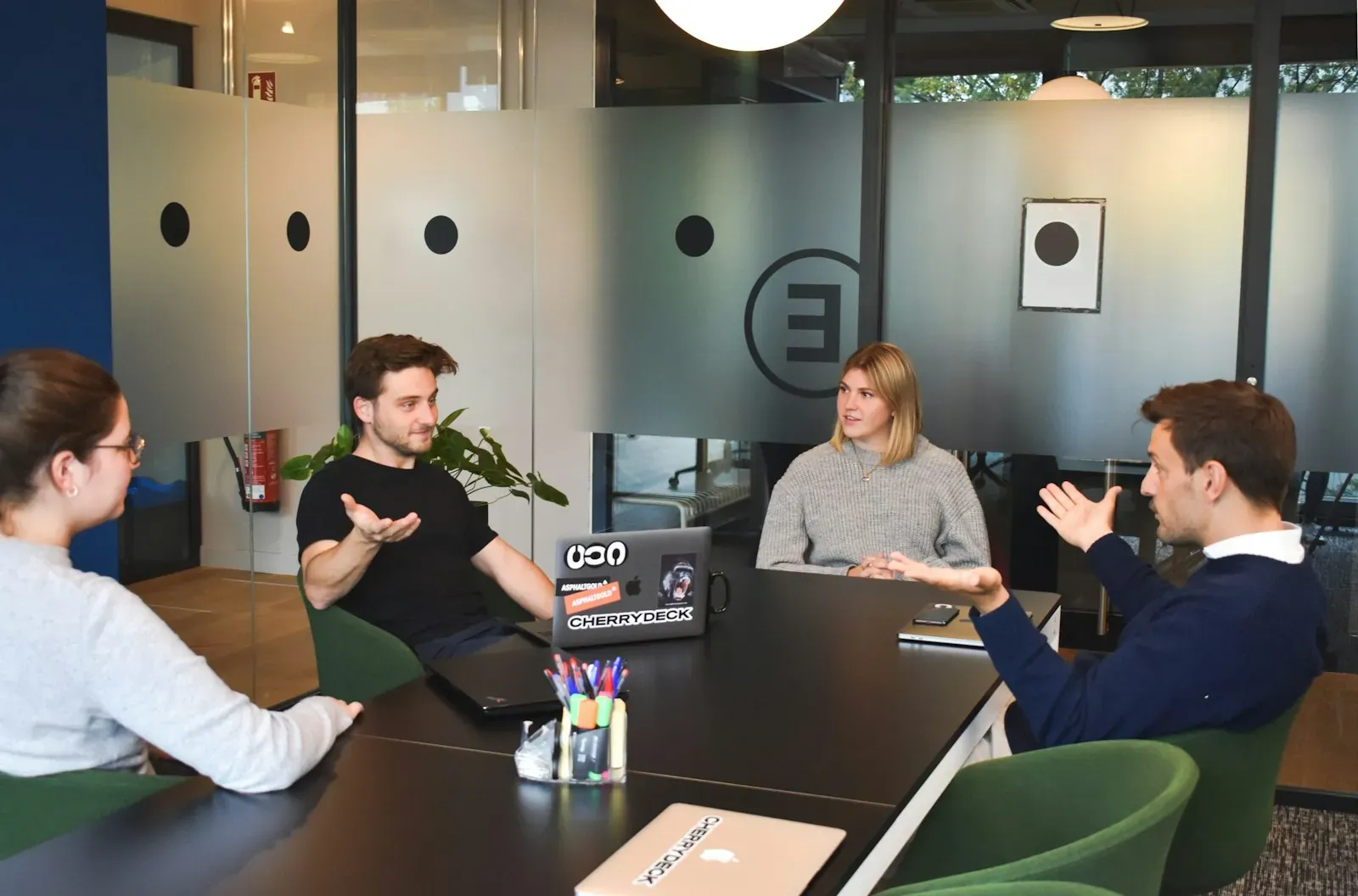
Disagreements are a natural part of the software development process, whether you're debating architectural decisions, choosing the right tools, or prioritizing features.
More in Culture & Careers